
Why Your New Year Fitness Resolution Fails Without Proper Recovery
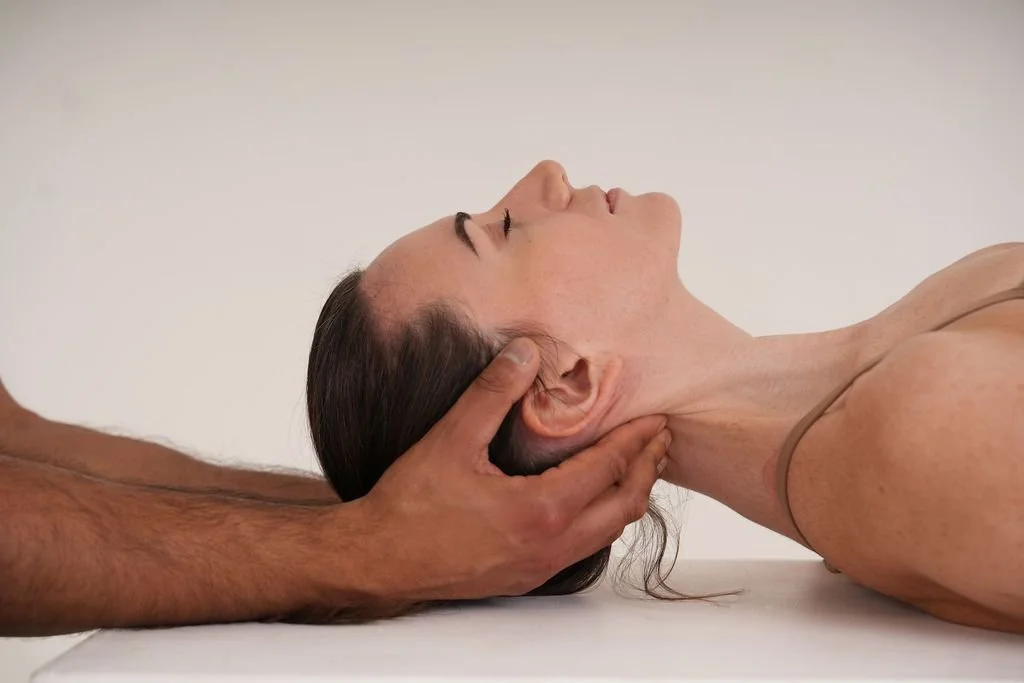
Every January, gyms across London fill up with motivated people ready to train harder, get fitter, and finally stick to their New Year fitness goals. Yet by February, many have already stopped.
The problem is not motivation. It is recovery.
Most people focus on workouts and nutrition while completely ignoring what happens between sessions. Without proper recovery, progress slows, pain builds, and motivation disappears.
The January Training Trap
January often brings a sudden jump in training volume after weeks or months of reduced activity. This creates:
• Muscle soreness that lingers longer than expected
• Tight hips, calves, and hamstrings
• Joint stiffness and reduced mobility
• Fatigue that affects work and sleep
• Minor aches that turn into injuries
Pushing through pain feels productive at first, but it usually leads to burnout or forced time off.
Training Breaks Muscle Down Recovery Builds It Back Up
Exercise creates micro damage in muscle tissue. This is normal and necessary. Adaptation happens when the body repairs that damage and becomes stronger.
Without recovery:
• Muscles remain tight and overloaded
• Movement quality decreases
• Injury risk increases
• Performance plateaus or declines
Recovery is not optional. It is part of the training process.
Why Rest Alone Is Not Enough
Rest days help, but they do not address the underlying issues that build up from training and daily life.
Sitting at a desk, commuting, and stress all contribute to muscle tightness and restricted movement. Simply doing nothing on rest days often means stiffness carries over into the next workout.
That is where structured recovery becomes essential.
How Sports Massage Supports Your Fitness Resolution
Sports massage is designed to keep your body moving well while you train.
It helps by:
• Reducing muscle tightness and soreness
• Improving circulation and recovery speed
• Restoring mobility to overworked areas
• Preventing small issues from becoming injuries
• Allowing you to train consistently without setbacks
Consistency is the real key to progress, and recovery supports consistency.
Common Signs You Are Under Recovering
If any of these sound familiar, recovery may be the missing piece:
• Constant soreness that does not improve
• Tight muscles despite stretching
• Reduced performance in the gym
• Loss of motivation to train
• Recurring niggles in the same areas
Ignoring these signs often leads to a complete stop rather than a small adjustment.
Why January Is the Worst Time to Skip Recovery
Cold weather increases muscle stiffness and reduces joint mobility. Combine that with sudden training intensity and the risk multiplies.
January is when:
• Most gym injuries occur
• Old injuries flare up
• Desk related pain overlaps with training stress
Proactive recovery during this period keeps your body resilient when it needs it most.
Why Sports Massage Outperforms Quick Fixes
Foam rolling and stretching help, but they are limited.
Sports massage:
• Targets deep muscle tension
• Adapts to your training and lifestyle
• Improves how your body moves, not just how it feels
• Complements strength training rather than replacing it
It is a long term strategy, not a temporary fix.
Building Recovery Into Your New Year Plan
Successful fitness resolutions include:
• Planned recovery sessions
• Regular mobility work
• Load management in training
• Professional support when needed
That is why many people training in January choose Dr Stretch. Sessions are tailored to your training level and daily demands, combining targeted deep tissue work with assisted stretching to keep you progressing without pain.
