
Prepare for a Football Game Like a Pro
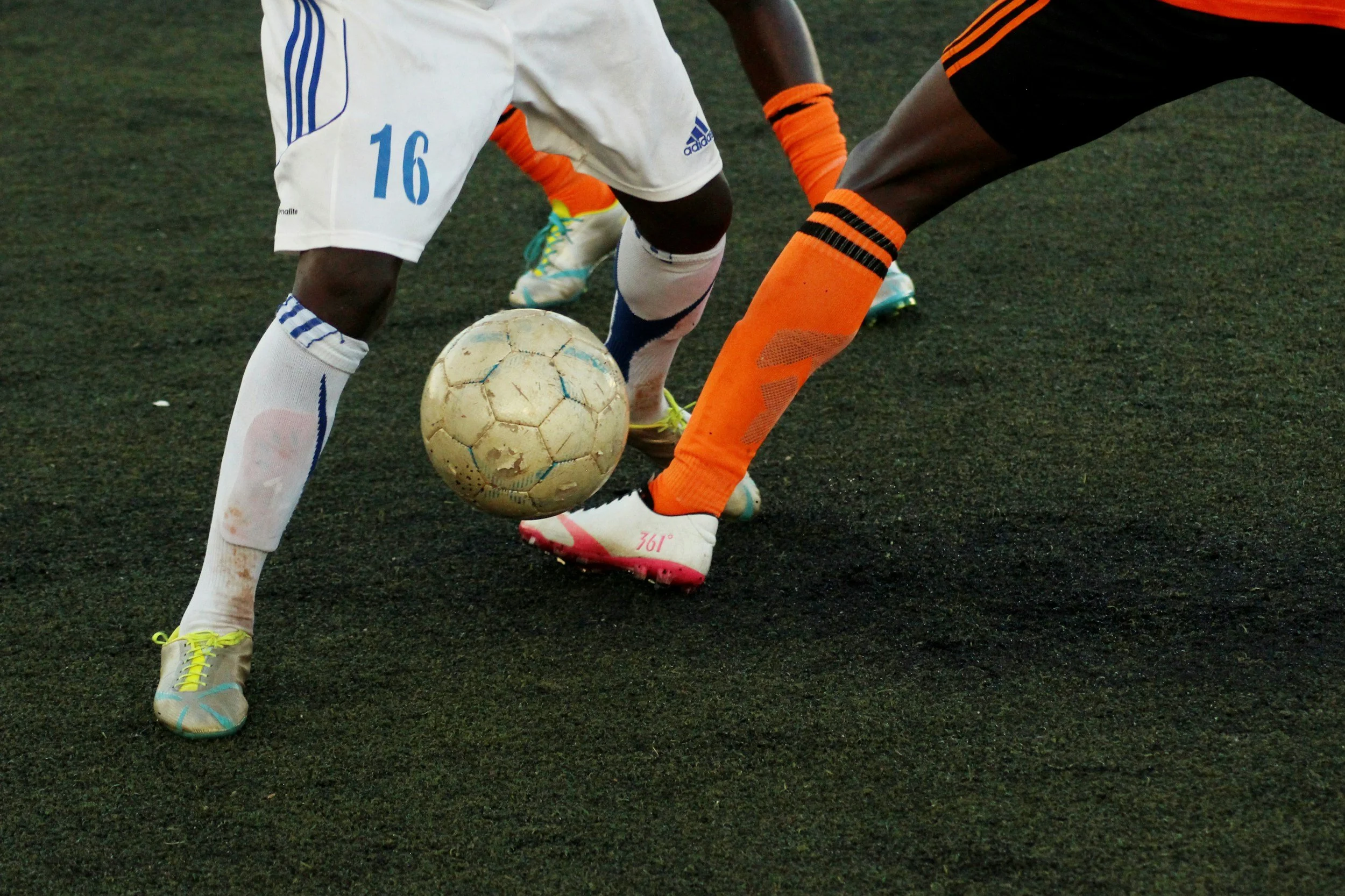
Football is a fast-paced and physically demanding sport that involves explosive sprints, sharp cuts, and rapid changes of direction throughout the game.
Get Quality Sleep Before the Game
Professional athletes understand the importance of rest. Getting 7–9 hours of sleep the night before a game helps your body recover, improves reaction time, and boosts focus on the pitch. A well-rested body performs better and is less likely to suffer from fatigue-related injuries.
Eat a Balanced Pre-Game Meal
Nutrition is essential for optimal performance. A proper pre-game meal should provide enough energy without making you feel heavy.
Try to eat about 2–3 hours before kickoff and focus on:
Carbohydrates for sustained energy
Small amount of protein to support muscle function
Light foods that are easy to digest e.g. the energy gelly
Stay Properly Hydrated
Hydration is essential for maintaining endurance and preventing muscle cramps during a football game. Because players lose fluids and electrolytes through sweat, it’s important to start drinking water several hours before kickoff.
Adding a small pinch of salt or using an electrolyte drink can help your body retain fluids and maintain proper muscle function, especially during intense matches or warm conditions.
Perform a Proper Warm-Up
A structured warm-up prepares your muscles, joints, and nervous system for the physical demands of football.
A good warm-up should include:
Light jogging to raise body temperature
Dynamic stretching to improve mobility
Short sprints and football-specific drills
This helps activate important muscle groups and reduces the risk of injury once the game begins.
Prioritise Post-Game Recovery
Recovery after the match is just as important as preparation before it. Football places significant stress on the muscles, particularly the hamstrings, calves, hip flexors, and groin. Post-game stretching helps restore muscle length, reduce stiffness, and improve flexibility after intense activity.
Sports massage can further support recovery by improving circulation, releasing muscle tension, and helping the body recover faster. Regular stretching and sports massage after games can reduce soreness, support mobility, and lower the risk of injuries in future matches.
If you want to recover faster and keep your body performing at its best, consider booking a professional sports massage or assisted stretching session at Dr Stretch to help your muscles recover and stay game-ready.
