
Cold Weather Muscle Stiffness: Causes, Prevention, and Relief with Sports Massage
Why Does Cold Weather Cause Muscle Stiffness?
During colder months, muscle stiffness tends to become more common, and there are a few key reasons why:
Decreased Blood Flow: Cold weather causes blood vessels to constrict, which restricts blood flow to muscles and reduces the supply of oxygen and nutrients. This constriction makes muscles feel tighter and more prone to stiffness.
Muscle Tightening: To preserve warmth, muscles may involuntarily contract, or "tighten up," to generate body heat. This muscle contraction can cause stiffness and increase the risk of strains if the muscles aren’t properly warmed up.
Reduced Flexibility: In colder temperatures, muscles and connective tissues are naturally less flexible. Reduced flexibility limits the range of motion, making activities feel harder and increasing injury risk.
Sedentary Lifestyle: Winter can encourage a more sedentary lifestyle as people often spend less time outside. Reduced movement can lead to stiff muscles and less overall flexibility, especially if people sit for extended periods.
How to Prevent Cold Weather Muscle Stiffness
While colder temperatures can’t be avoided, there are steps you can take to prevent muscle stiffness:
1. Warm Up Thoroughly
Before any physical activity, even a quick walk outside, take time to warm up. Warming up increases blood flow to the muscles, enhancing flexibility and reducing the risk of strains. Incorporate light aerobic movements, like brisk walking or jumping jacks, and dynamic stretches to prepare your body for activity.
2. Dress Warmly
Layer up with clothes that retain heat but also allow for movement. Dressing warmly, especially around joints and muscle groups, helps to maintain body temperature and prevent the cold from tightening up muscles.
3. Stay Active Throughout the Day
Move regularly, even on rest days. Sitting for long periods can lead to muscle stiffness, so try to incorporate gentle stretching, short walks, or light activities throughout the day. Staying active keeps blood flowing and helps maintain muscle flexibility.
4. Stay Hydrated
Cold weather can mask feelings of thirst, but dehydration is a key contributor to muscle stiffness. Drink water regularly throughout the day to keep muscles hydrated, which improves elasticity and reduces the likelihood of cramps and strains.
How Sports Massage Can Relieve Cold Weather Muscle Stiffness
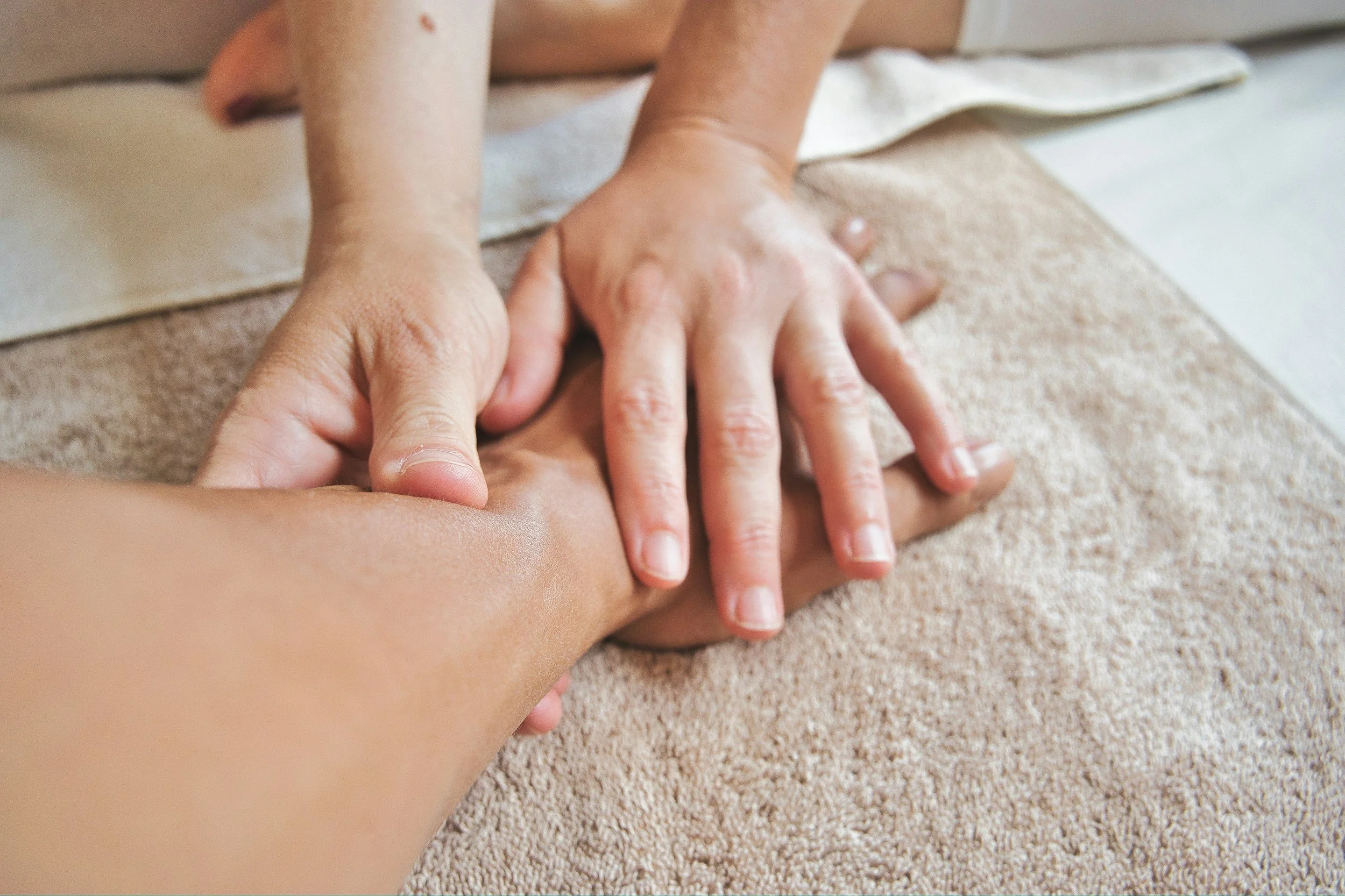
Sports massage is an effective way to address cold-weather muscle stiffness, providing targeted relief and improving overall muscle health. Here are the primary ways sports massage can help:
1. Increases Circulation and Blood Flow
One of the main benefits of sports massage is increased circulation. By improving blood flow to muscles, sports massage helps deliver essential oxygen and nutrients that relieve stiffness and promote healing. This increased circulation also helps reduce soreness and tension.
2. Reduces Muscle Tension
During sports massage, specific techniques like deep tissue work and trigger point therapy are used to release knots and tight areas in the muscle. This loosening of tension helps alleviate stiffness and makes muscles more flexible, which is particularly helpful when cold weather tends to cause chronic tightness.
3. Promotes Relaxation and Stress Relief
Sports massage can reduce not only physical stiffness but also mental stress that may contribute to muscle tension. With relaxation techniques such as effleurage (long, soothing strokes), sports massage encourages a full-body relaxation response, helping muscles naturally let go of tightness.
4. Improves Range of Motion
Cold weather often limits flexibility, but sports massage can help improve joint mobility and muscle elasticity. By addressing areas that are particularly tight, sports massage improves the range of motion and makes it easier to stay active even in cold conditions.
Tips for Making the Most of Your Sports Massage in Winter
If you’re planning on using sports massage as part of your winter wellness routine, here are a few tips for getting the most out of your sessions:
Plan Regular Sessions: Regular sports massage sessions (weekly or bi-weekly) during the winter months can prevent stiffness from building up and keep your muscles in good shape.
Stretch After Massage: After your massage session, gentle stretching can further enhance flexibility and maintain the benefits of the treatment.
Warm Up Before Sessions: A quick warm-up before your session can help the therapist access deeper muscle layers more effectively, leading to a more productive massage.
Stay Hydrated: Drink water before and after each massage to help flush out toxins released during the massage and keep your muscles hydrated.
Additional Self-Care Tips for Muscle Stiffness Relief
Alongside sports massage, you can incorporate a few self-care techniques at home to keep muscles limber and relaxed:
Use Heat Packs or Hot Showers: Applying heat to stiff muscles increases blood flow and eases tension, providing a quick way to alleviate discomfort.
Foam Rolling: Foam rollers can be effective tools for releasing muscle tension and improving flexibility. Spend a few minutes each day rolling out key areas like the back, legs, and shoulders.
Stretch Daily: Gentle stretching, especially focusing on the chest, hamstrings, and lower back, can prevent stiffness and maintain flexibility.
